Promoting Career Guidance and Lifelong Learning
January 8, 2025
Empowering Migrant Workers through a 3-R Framework
March 10, 2025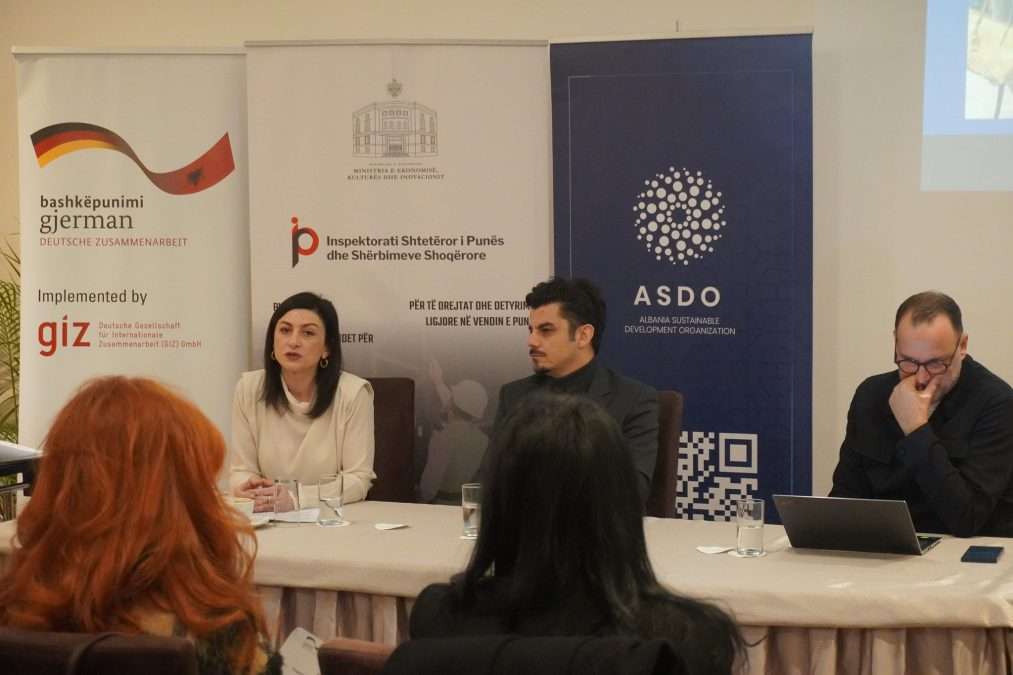
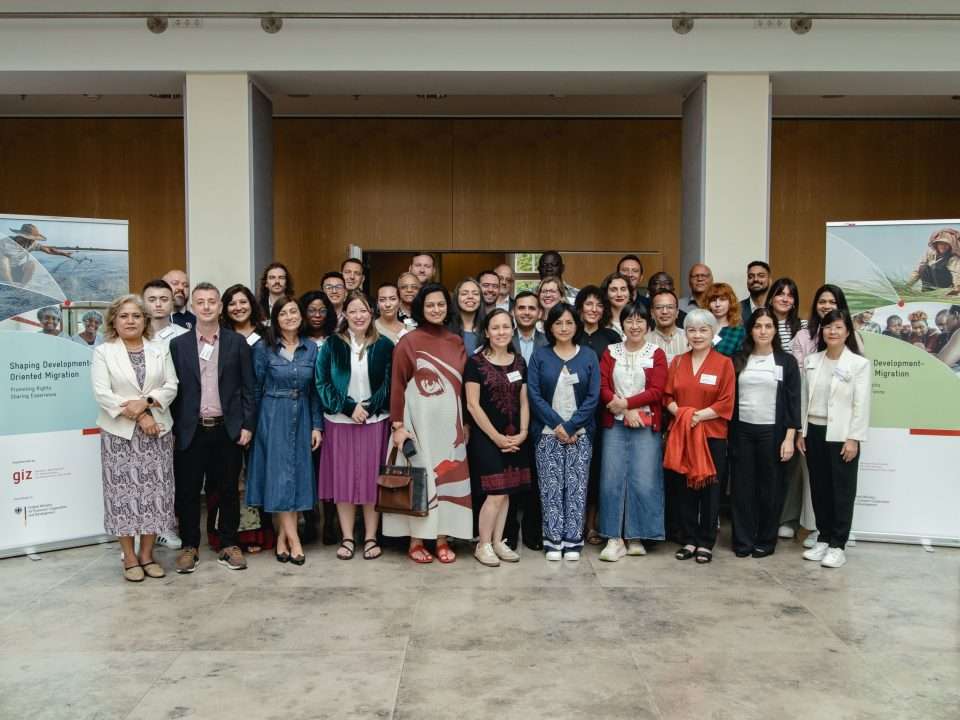
Tirana, February 7, 2025 – The Albania Sustainable Development Organization (ASDO), in partnership with the Albanian State Labour Inspectorate and Social Services (SLI) and with the support of GIZ Albania, successfully concluded its project aimed at empowering migrant workers in Albania. The final event gathered key stakeholders, including Mr. Eljo Muçaj, Head of the State Inspectorate of Labor and Social Security, representatives from private employment agencies (APPs), government institutions, and international organizations.
The discussions focused on the progress made in protecting migrant workers’ rights, the challenges faced by employment agencies, and necessary policy adjustments to ensure fair and regulated labor conditions in Albania.
Key Achievements achieved during the Project
✅ Capacity Building for Labor Inspectors
ASDO provided specialized training to SLI inspectors, equipping them with tools to better oversee employment agencies and enforce labor regulations related to migrant workers.
✅ Policy and Regulatory Reforms
A policy proposal, “white paper” was developed to align with national and international labor standards, strengthening licensing requirements for private employment agencies.
✅ Informational Materials for Migrant Workers
To ensure migrants have access to critical labor rights information, brochures were distributed in seven languages, addressing legal protections, contract conditions, and reporting mechanisms.
✅ Direct Outreach to Migrant Workers
Field visits to workplaces enabled labor inspectors and civil society representatives to engage directly with migrant workers, ensuring they were aware of their rights and protections.
Challenges and Discussion Points
Regulating Private Employment Agencies (APPs)
APPs play a crucial role in advising businesses on hiring migrant workers, assessing their skills, setting employment objectives, and negotiating salaries. However, major challenges remain, including:
- Lack of market regulation, with some agencies failing to protect clients’ personal data.
- Weak enforcement mechanisms, requiring improved monitoring of agencies’ financial stability and recruitment practices.
In response, SLI has centralized labor inspections, ensuring only qualified agencies remain active. New regulations for licensing and evaluation will penalize agencies that fail to meet standards, potentially revoking their licenses.
Concerns Over Migrant Worker Retention
There is high interest from workers in India and Pakistan, but many use Albania as a gateway to Italy or Greece. The lack of a comprehensive monitoring system makes it difficult to track workers who leave the country, putting the responsibility on employment agencies.
To address this, stakeholders emphasized:
- Strengthening contract agreements, including clear annexes covering salary, accommodation, and food provisions.
- Avoiding bilateral agreements until Albania can guarantee full protection of migrant workers.
- Cooperation with law enforcement, ensuring missing workers are reported to the police.
The Issue of Low Wages
The low salaries in Albania raise concerns about exploitation. However, in many cases, migrants receive net wages along with housing and food, making their total compensation more competitive.
Future Steps: Strengthening Protection and Regulation
“Migrant workers are an essential part of Albania’s labor market. Strengthening their protections is not just a legal obligation—it’s a commitment to fair employment,” stated Mr. Muçaj.
Going forward, ASDO and its partners will focus on:
- Improving market regulation for private employment agencies to ensure ethical recruitment practices.
- Strengthening enforcement of labor rights through enhanced inspections and policy reforms.
- Expanding awareness campaigns by distributing multilingual brochures and ensuring migrants have access to clear information on their rights and protections.
With stronger policies, better oversight, and ongoing collaboration, Albania is taking significant steps toward ensuring fair and ethical employment conditions for migrant workers.